
Articles

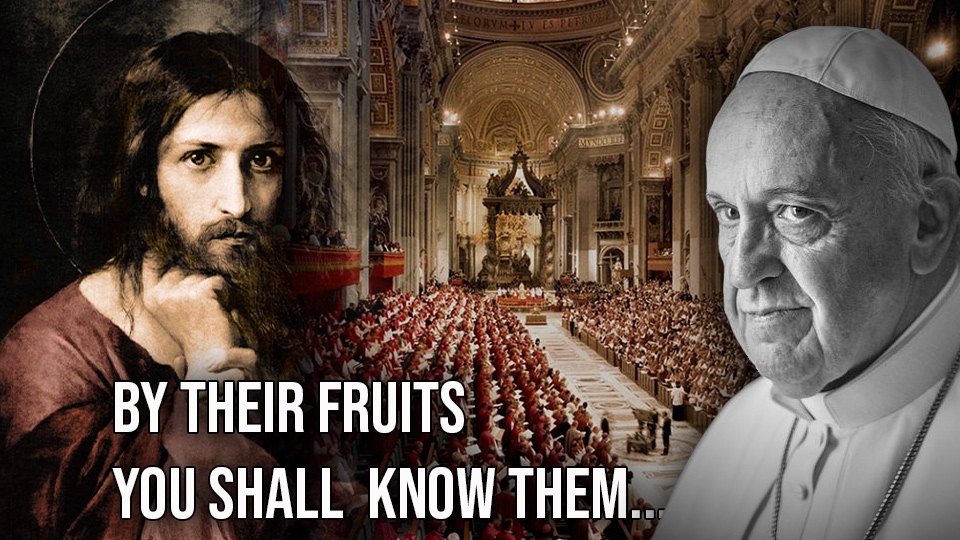
Lightning in Argentina and the Progressive Manifestation of Satan’s Influence Over Francis

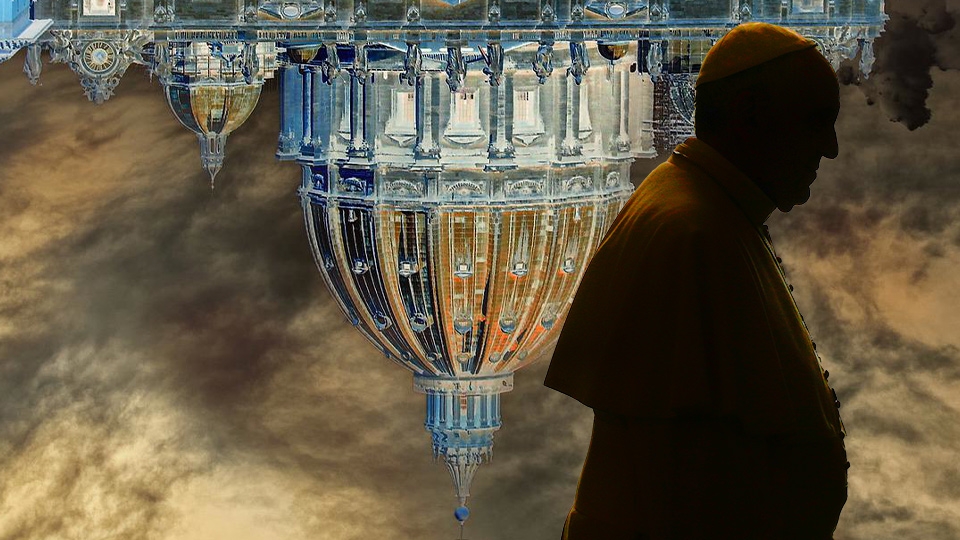
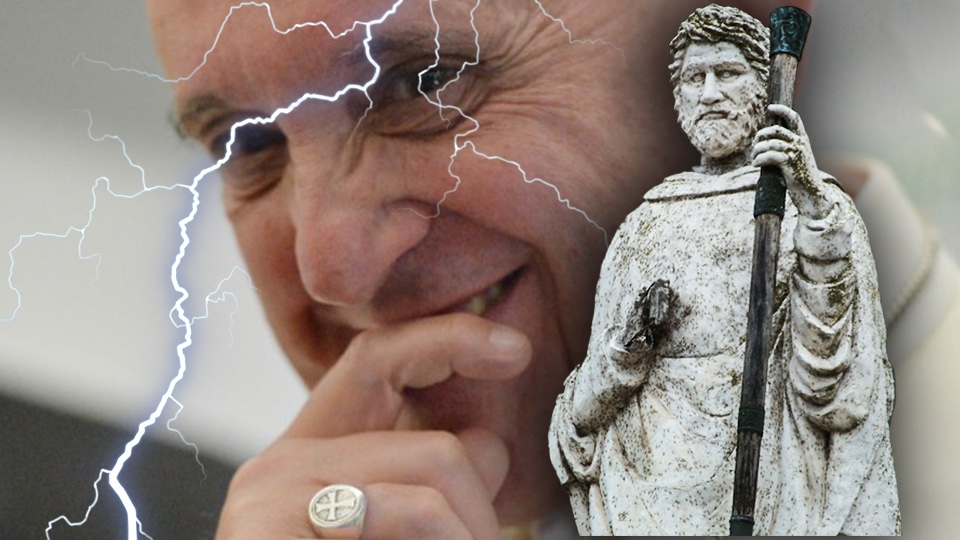
As fascinating as this possible sign is, Francis has given us many reasons far more persuasive than this to question the legitimacy of his claims to the papacy. One could, for example, argue that the document Francis released the day after the apparent lightning strike — Fiducia Supplicans, which “authorizes” the blessing of same-sex unions — is a greater indication that he is an anti-pope. And, for those who have understood the theology behind the Synod on Synodality, that ongoing process makes Fiducia Supplicans look relatively Catholic in comparison.

Read More »

Fiducia Supplicans and Diabolical Logic

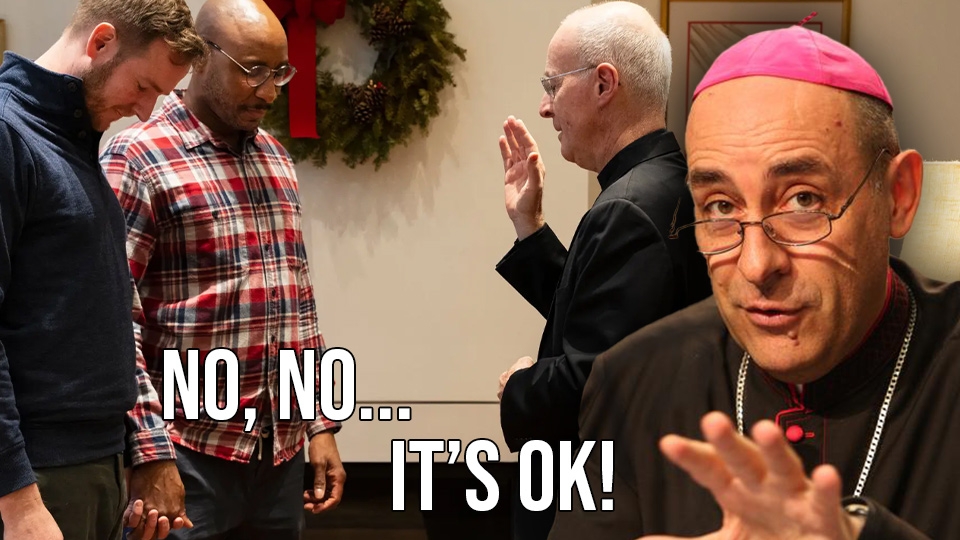
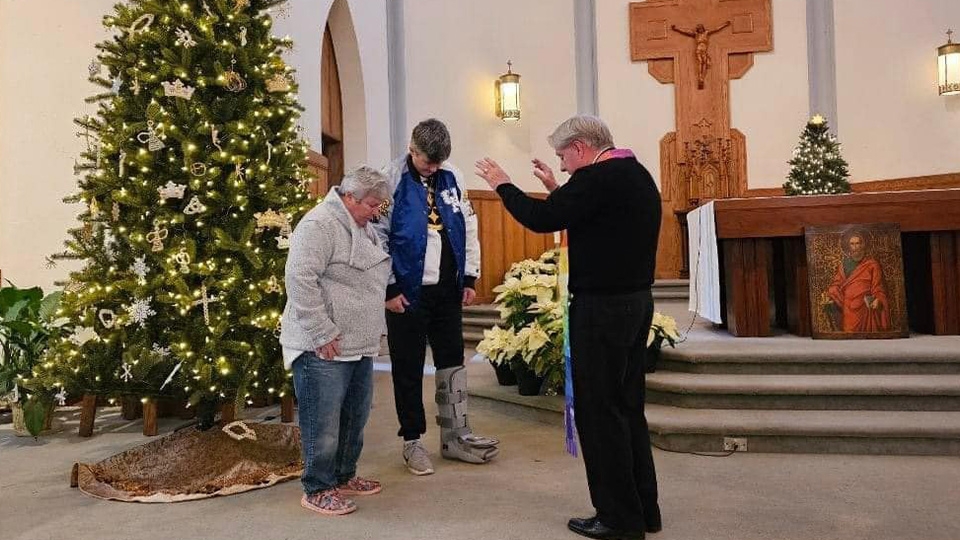
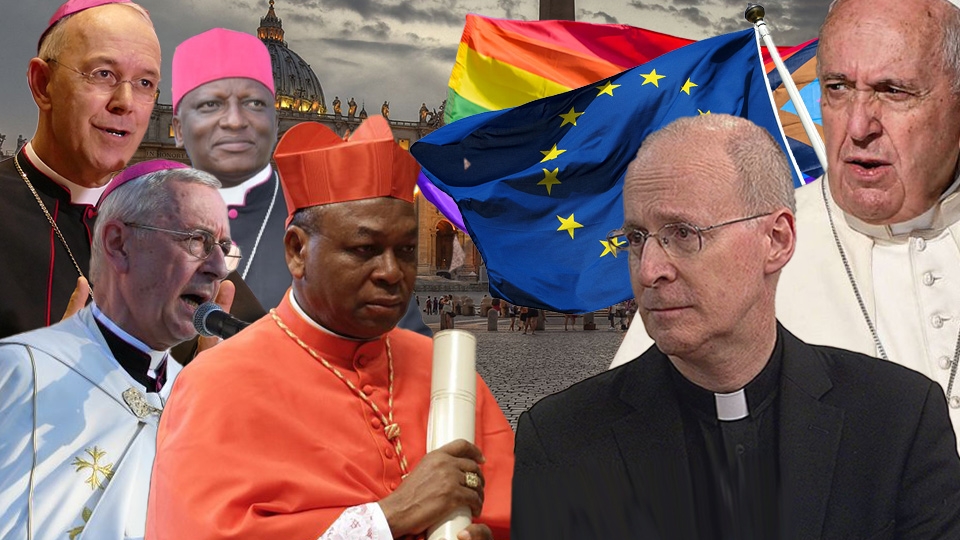
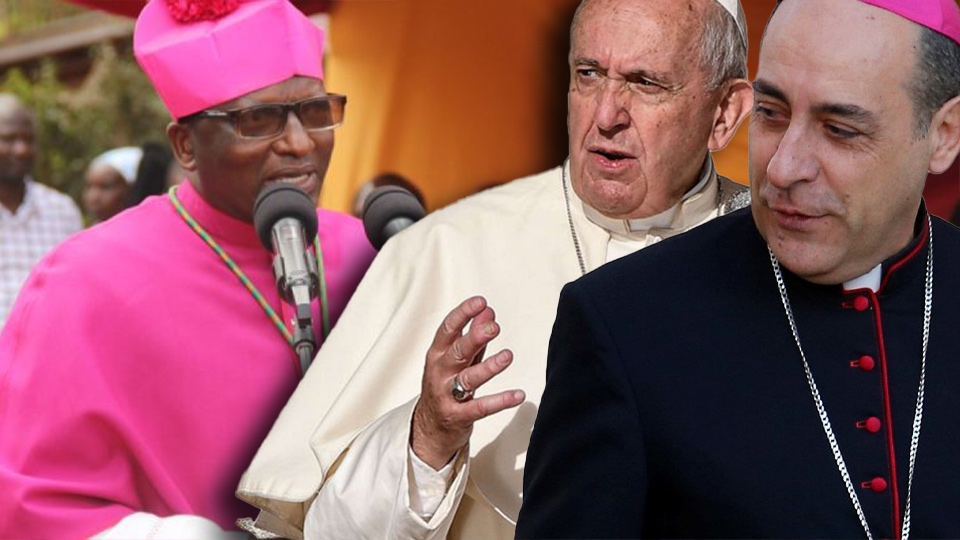
Declaration Fiducia supplicans, [2] published on 18 December 2023 right before Christmas, in which the possibility of blessing same-sex couples and couples in irregular relationships is opened, is another example of sophism. Of course, many recognized it immediately, and it is no wonder that it caused a real storm among the faithful and discord among the bishops. Just a few days after the Declaration had been published, the bishops of the Archdiocese of St. Mary in Astana (Kazakhstan), the bishops’ conference of Benin, Ghana, Cameroon, Madagascar, Hungary, Malawi, Nigeria, Poland, Rwanda, Togo, Ukraine and Zambia, rejected this declaration completely. [3] The British Brotherhood of Catholic Clergy, which has over 500 members, signed a statement saying, among other things: “We believe that genuine charity always follows true doctrine and that such blessings would work against the legitimate care a priest owes to his flock… such blessings are pastorally and practically inadmissible.” [4]

Read More »

The Art of Fiction: From Nathan the Prophet to Charles Dickens

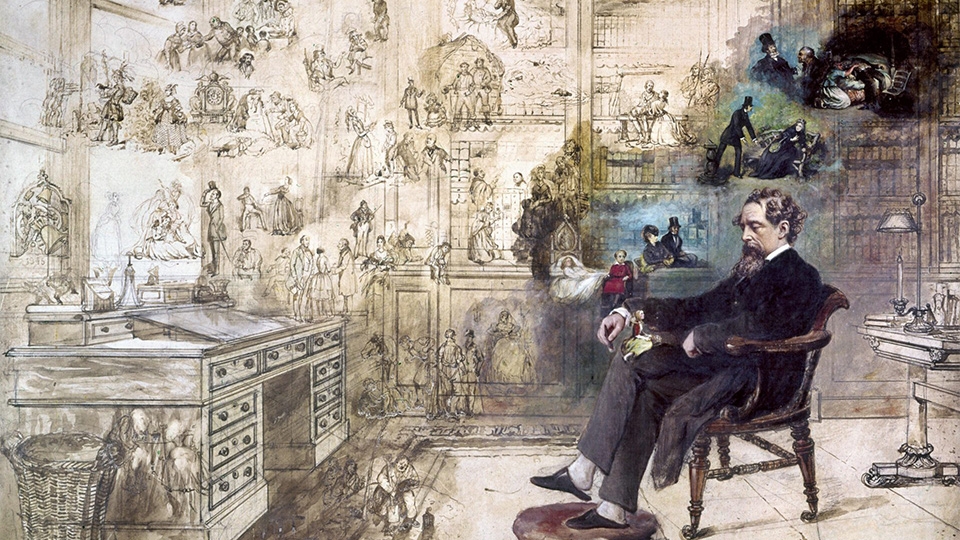
Disputed by some professional critics but appreciated by a broad audience, Charles Dickens and his works remain one of the most interesting subjects for literature enthusiasts. Not only his personal eccentric style, but especially the peculiar habits and behaviors of the colorful characters he has created, allowed and encouraged the emergence of a substantial secondary literature. While Thomas Mann regarded him with circumspection, praising the criticisms leveled by Henry James in his essay “The Limitations of Dickens,” on the other hand, Gilbert Keith Chesterton defended him in his famous monograph bearing his name. However, in the end, regardless of what yesterday’s and today’s critics say, it remains the incredible passion of audiences from all eras and continents, audiences that continue to read and re-read A Christmas Carol.

Read More »

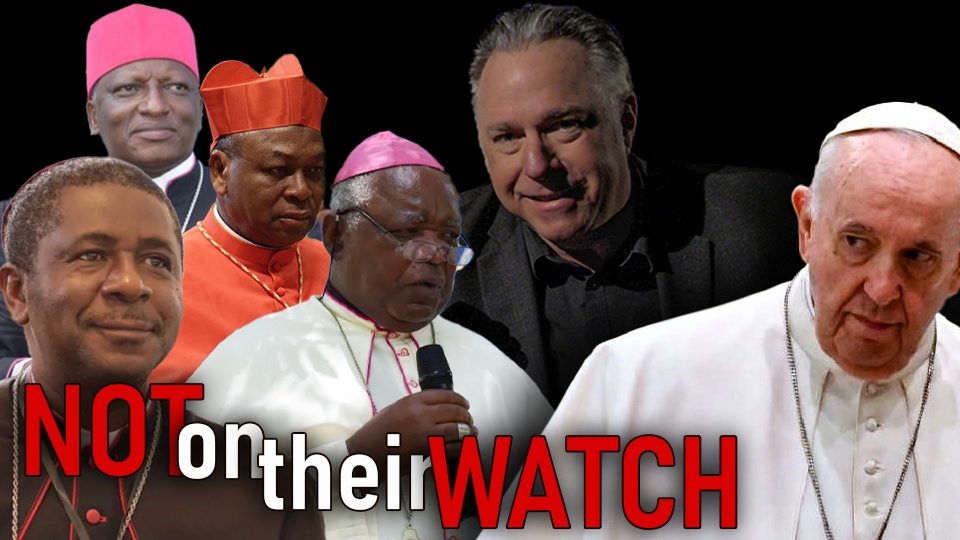
“HERESY!” African Bishops Denounce Vatican Same-Sex Blessings, Resist Pope to his Face

In this episode of The Remnant Underground, Michael Matt exposes what is really going on with Fiducia Supplicans – the Vatican Declaration approving blessings for same-sex couples. This has nothing to do with pastoral sensitivity, and everything to do with politics, Agenda 2030, the SDGs of the United Nations, and the EU-ACO Treaty between the European Union and seventy-nine poorer countries.

Read More »

The Best Books I Read in 2023

Before moving on to the presentation of the best books I’ve read during the year 2023, I warmly recommend two titles that every good Christian should have in his “essential library.” Very short but extremely profound and, I would say, practical, both have been written by Saint Alphonsus Maria de Liguori (1696–1787). Despite writing dozens of substantial volumes, including the monumental Theologia Moralis (1748–1785), the wisdom of Saint Alphonsus is nevertheless best known through these two small booklets that help us lay the foundation of the Christian life.

Read More »

Fighting for the TLM: From Paris to D.C.

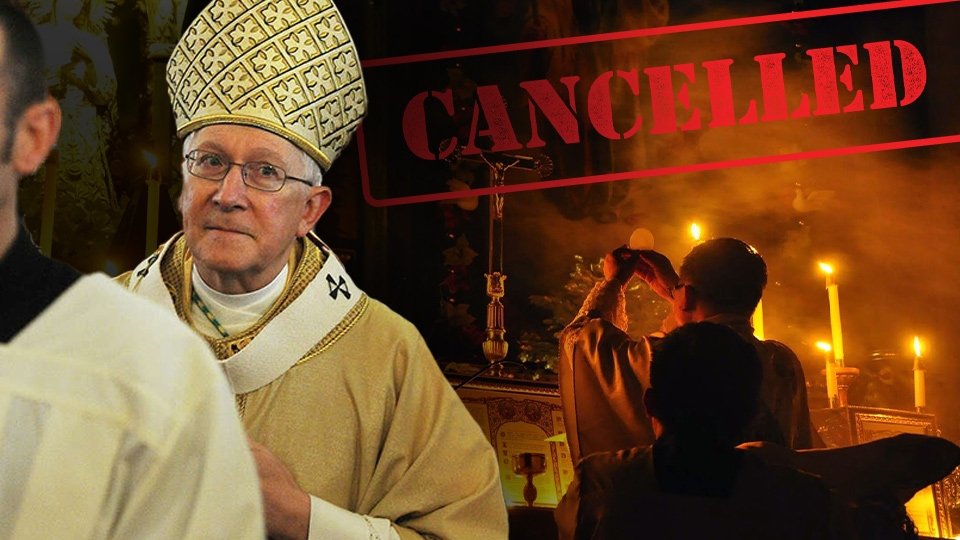
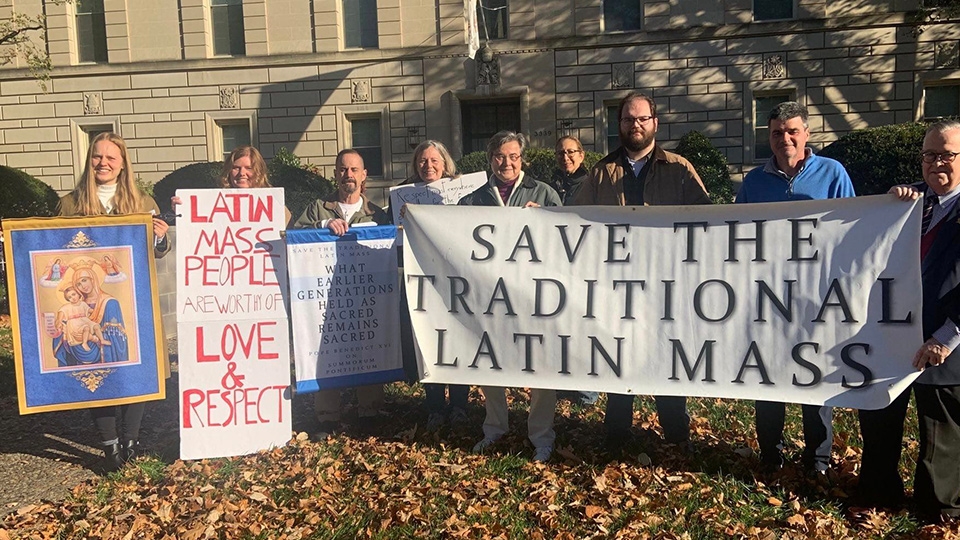
How much it would have pleased me to rejoice with you this Christmas at the establishment of a sort of truce through the good will of our pastors. Unfortunately, the tightening of screws following Traditionis Custodes continues everywhere in France. In Paris, no mass at Notre-Dame du Tavail, where it would be so easy to re-establish it, neither is there any perspective of masses elsewhere in the south of the capital nor in the north of Paris.

Read More »

It’s MERRY CHRISTMAS, No Matter How You Say It!

Etymology, the word comes to us from Egypt, the land of Saint Augustine. The root, Christ is from the Greek Χριστός, Christos, khris-tos, being translated ‘Messiah’ or ‘the Savior.’ The suffix –mas, pronounced like ‘ma’ but in plural and not like ‘z’ but an ‘s,’ [NOT pronounced ‘mass’ but ‘mahs’], is the ancient Egyptian word, from what is called the Hieroglyphic language, translated ‘nativity’ or ‘day of birth.’

Read More »

Missing Some Merry

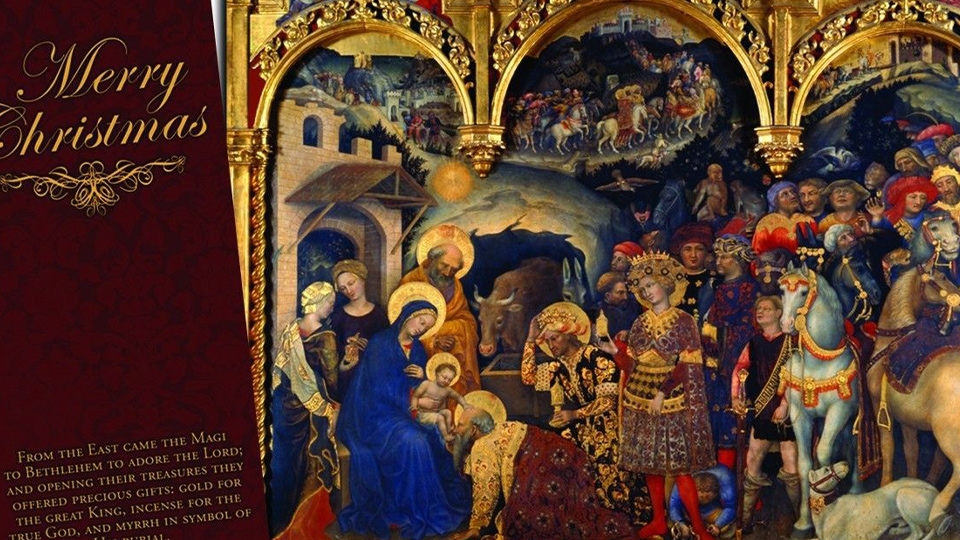
Before the digital take over, Christmas cards were turning into a mass-produced and choreographed photograph that had nothing to do with Christmas.

Read More »

Christmas in the Trenches, the True Story

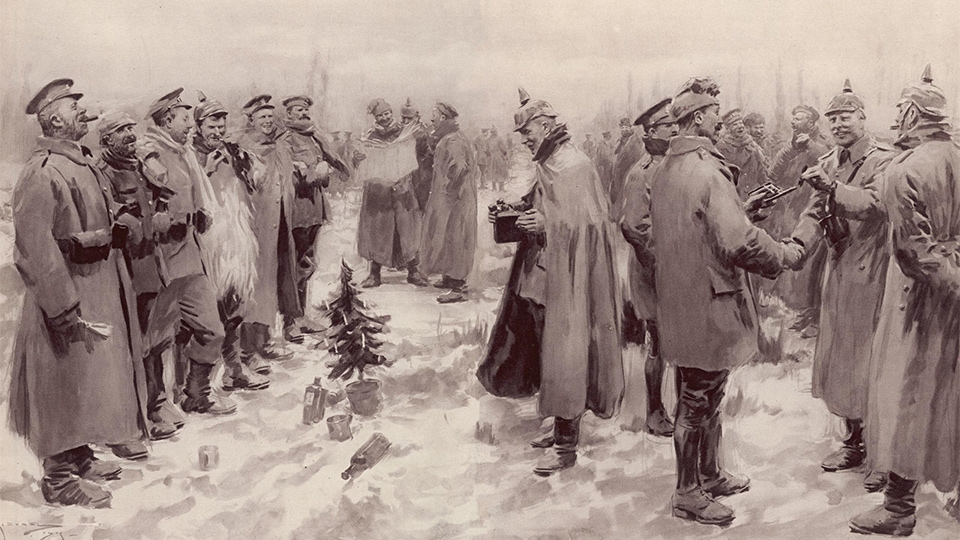
· They finished their carol and we thought that we ought to retaliate in some way, so we sang ‘The first Noël’, and when we finished that they all began clapping; and then they struck up another favourite of theirs, ‘ O Tannenbaum ‘. And so it went on. First the Germans would sing one of their carols and then we would sing one of ours, until when we started up ‘O Come All Ye Faithful’ the Germans immediately joined in singing the same hymn to the Latin words ‘ Adeste Fidéles ‘. And I thought, well, this was really a most extraordinary thing – two nations both singing the same carol in the middle of a war.7

Read More »

Descending from Heaven: Thoughts on the Mysterious Meanings of Christmas

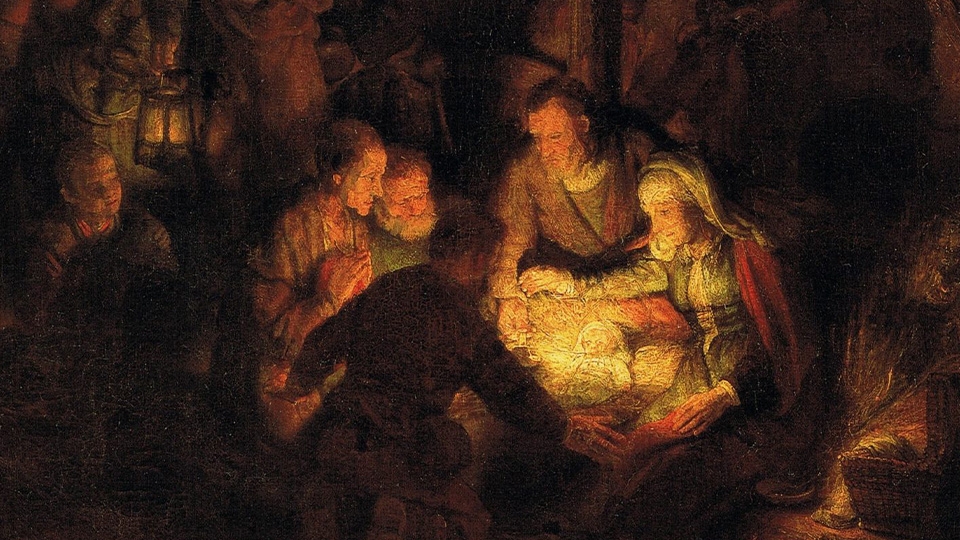
In the midst of the darkest moment in the history of the church, when the “abomination of desolation” ( Matthew 24:15) reigns in the place that is holy, it is vital to remember the essential. The learned Origen of Alexandria (c.185–c.253) is the one who tells us what to do in such a situation: “let those who see this flee from the Judæa of the letter to the high mountains of truth.” So, faced with an unprecedented spread of both doctrinal and practical heresies, it is absolutely necessary to ascend to “the high mountains of Truth.” Not just any truth, but that divine, revealed Truth that teaches us how to return to the Paradise lost by Adam and Eve through original sin. Thus, preparing our minds through prayer and humble reflection to receive the light that emanates from the Holy Scriptures, we strive to delve into the meanings of an event that decisively influenced the history of the world. The verse that initiates such meditation is found in the Gospel of the Holy Apostle John (chapter 3, verse 13):

Read More »

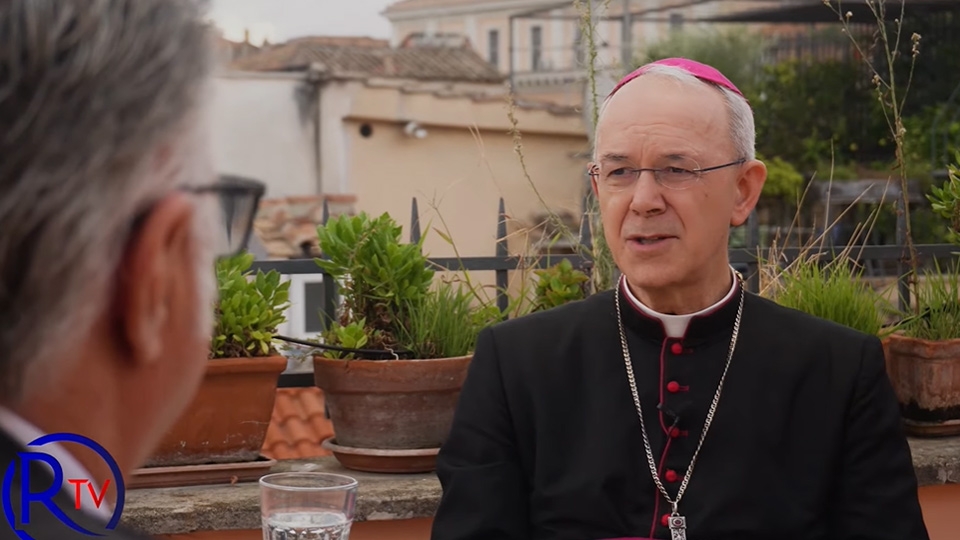
Bishop Schneider on Fiducia Supplicans: “A Mockery of the Natural and Revealed Law of God”

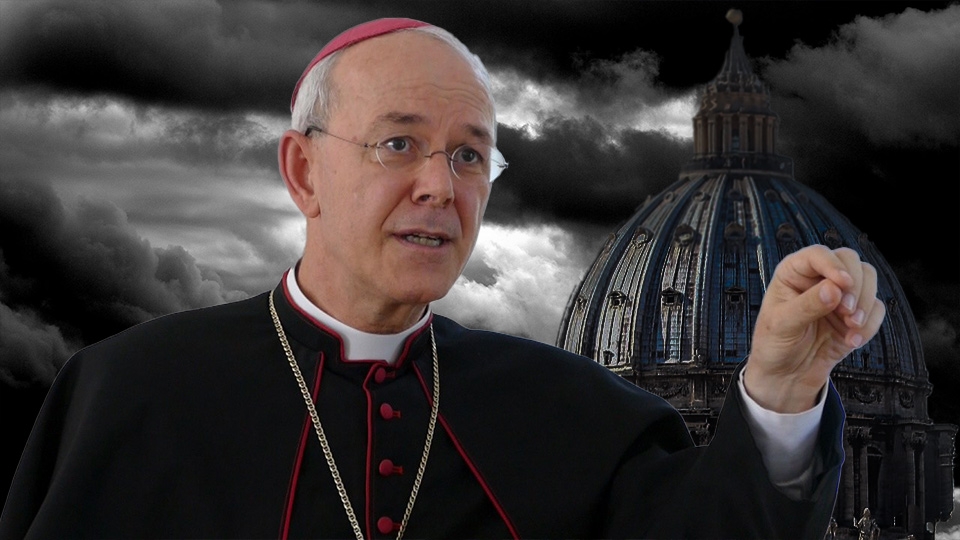
In his first print interview since the December 18 release of Fiducia supplicans by the Prefect of the Dicastery for the Doctrine of the Faith, Cardinal Víctor Manuel Fernández, the auxiliary bishop of Astana, Kazakhstan contends the declaration “clearly, albeit cunningly, undermines the natural and revealed law of God regarding marriage and the meaning and exercise of human sexuality” and therefore “cannot be the expression of the Church’s authentic Magisterium and forfeits any binding authority.”

Read More »

The Essential Christian Library

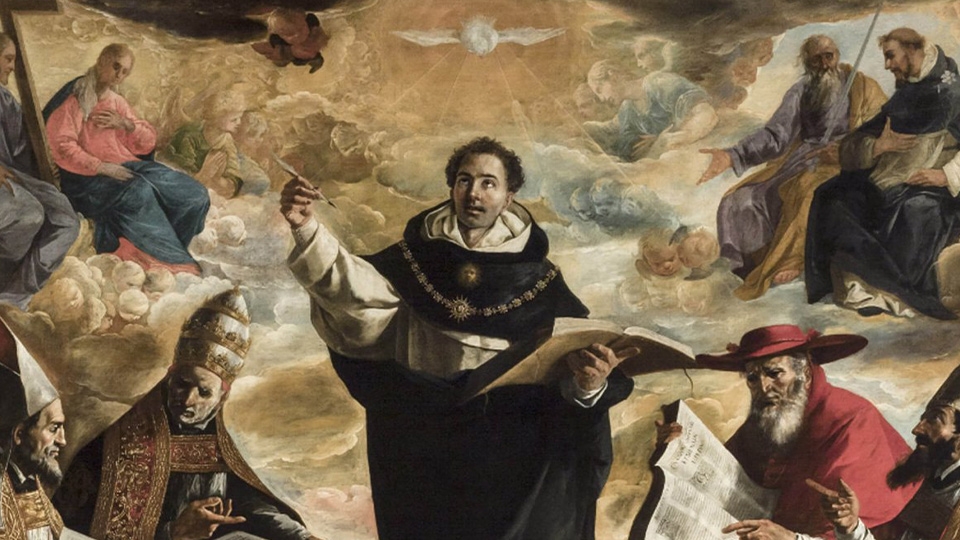
For the Judeo-Christian tradition, the book of books has been, is, and will forever be, without a doubt, the Sacred Scripture. The reference text of the Western world is the legendary translation by Saint Jerome, known as the Vulgate Bible (Lat. Biblia Sacra Vulgata ). The Council of Trent (1545–1563) established this edition as the official Bible of the Church. Its most well-known edition is the Clementine Vulgate, promulgated in 1592 by Pope Clement VIII (from whose name the edition gets its name).

Read More »

WWJD: What Would John Do?

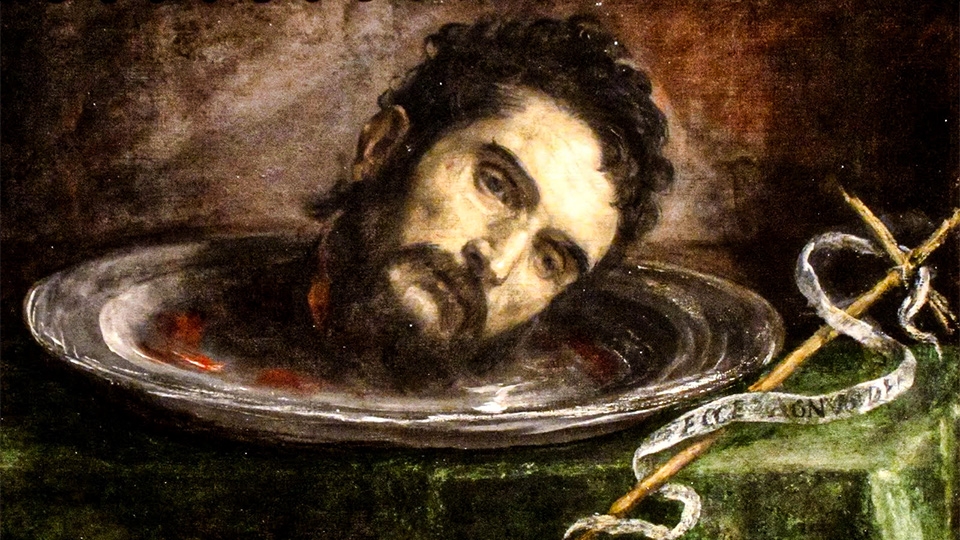
At the time Herod the Tetrarch heard the fame of Jesus. And he said to his servants: This is John the Baptist: he is risen from the dead, and therefore mighty works shew forth themselves in him. For Herod had apprehended John and bound him, and put him into prison, because of Herodias, his brother’s wife. For John said to him: It is not lawful for thee to have her. And having a mind to put him to death, he feared the people: because they esteemed him as a prophet. But on Herod’s birthday, the daughter of Herodias danced before them: and pleased Herod. Whereupon he promised with an oath, to give her whatsoever she would ask of him. But she being instructed before by her mother, said: Give me here in a dish the head of John the Baptist. And the king was struck sad: yet because of his oath, and for them that sat with him at table, he commanded it to be given. And he sent, and beheaded John in the prison.

Read More »