Articles

Christmas Yet to Come

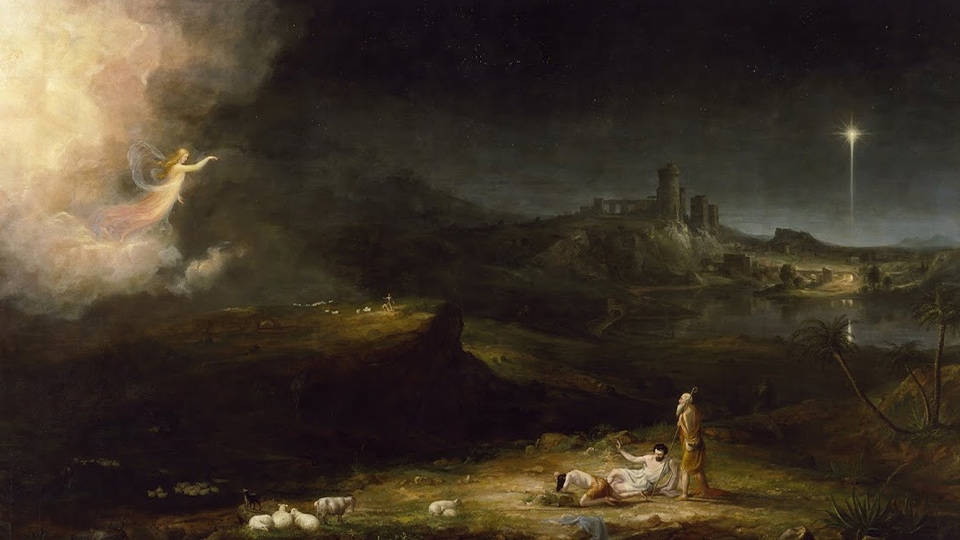
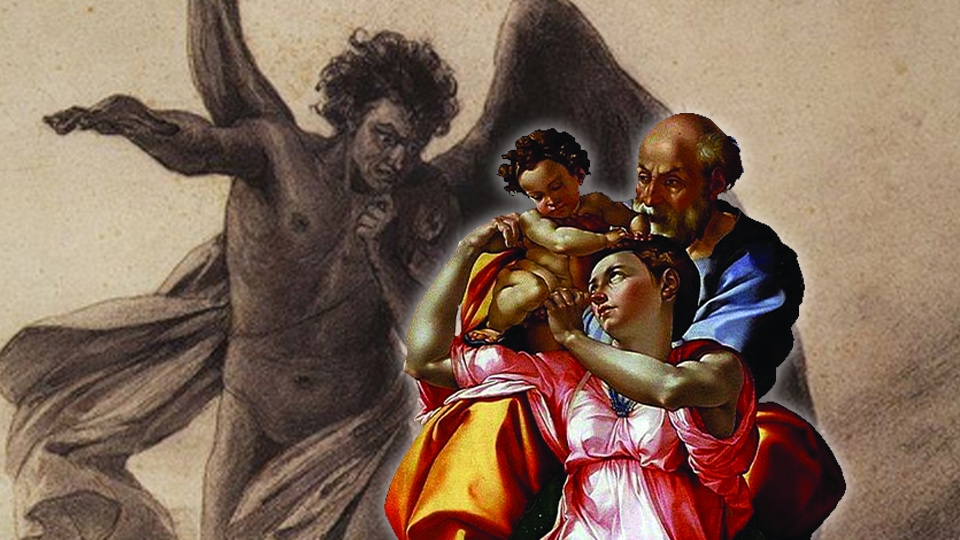
38% of Britons between ages 21˗ 28 did not know who the baby in Christmas Nativity scenes is. Thirty-seven percent could not identify neither Mary nor Joseph and less than 10% were able to name the gifts that the Three Wise Men presented the infant Jesus.

Read More »

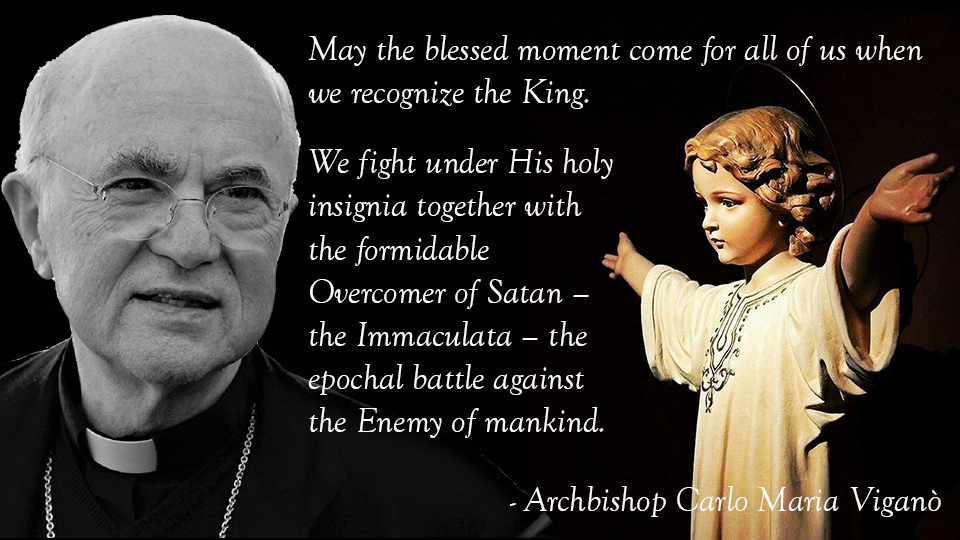
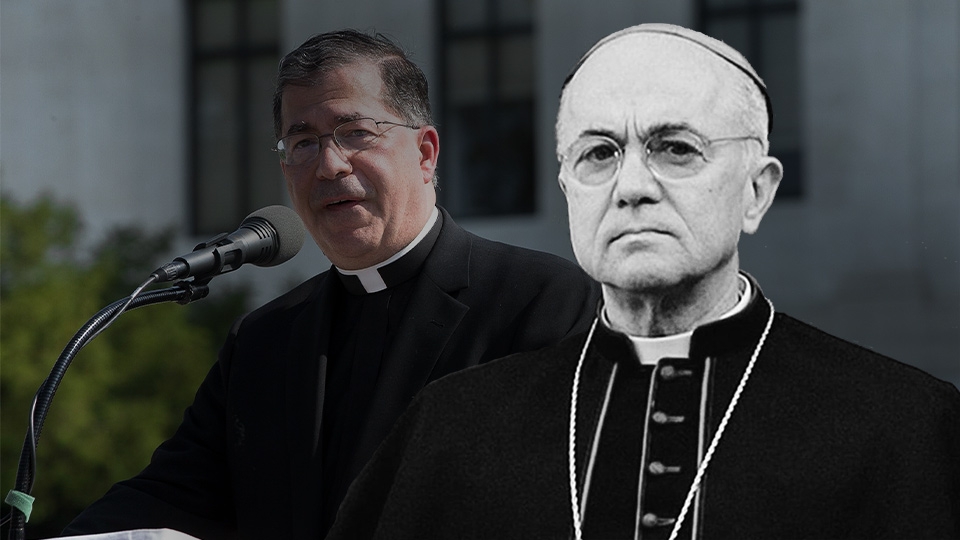
Viganò’s Declaration on the Canonical Sanctions Imposed on Father Frank A. Pavone

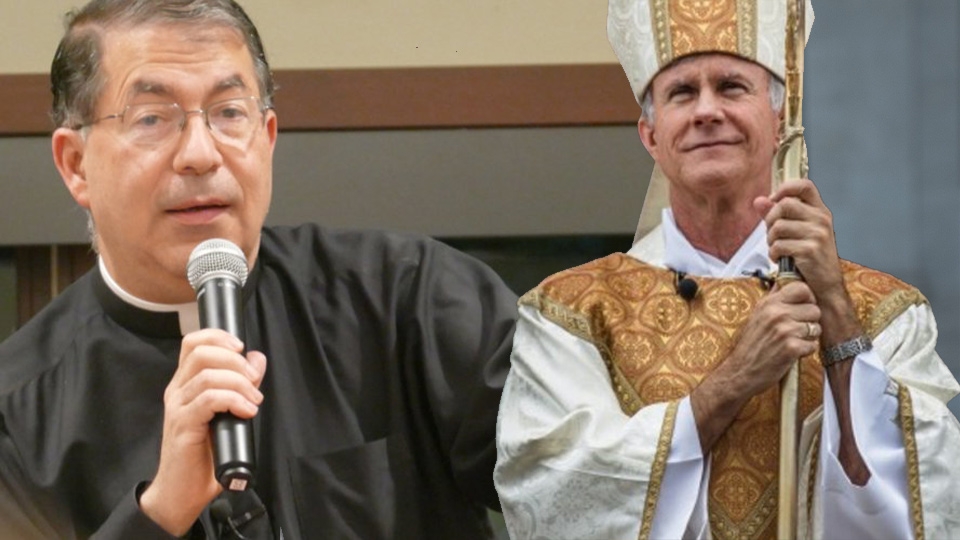
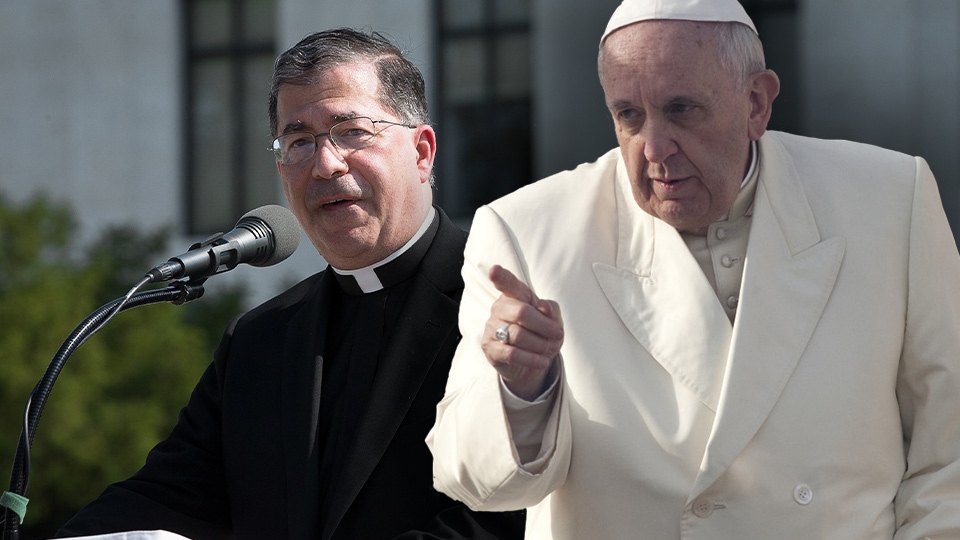
Agere sequitur esse. So we are taught by scholastic philosophy: the action of every being depends on the nature of that being. It follows that a person’s actions are consistent with who that person is. We find confirmation of this principle of ontology in the canonical sanctions recently imposed by the Holy See on Father Frank A. Pavone, a well-known and appreciated pro-life priest, who for decades has been committed to the battle against the horrible crime of abortion. If a Roman Dicastery decides to electrocute a priest with reduction to the lay state, accusing him of blasphemy and preventing him from having the ability to defend himself legally in a canonical trial; and if, at the same time, analogous decisions are not taken with regard to notorious heretical, corrupt, and fornicating clergy, it is not out of place to ask if such a persecutory action reveals a persecutory mind, and if an action against a good priest who has worked strenuously to oppose abortion reveals the hatred of the persecutor with regard to the Good and those who fight for it. This unjust and illegitimate punishment becomes all the more hateful the closer we come to Holy Christmas, if we consider that by the killing of innocent children the Enemy of the human race wants to kill the Infant King.

Read More »

Programming Run Amok

This season, the Hallmark Channel released their version of a Christmas love story called “The Holiday Sitter” about a gay babysitter who ends up in love with another gay.

Read More »

Blessed Dom Marmion on Catholics, Protestants, and the Worsening Crisis in the Church

Popes Benedict XV and Pius XII praised the works of Blessed Dom Columba Marmion (1858-1923) for their holiness and wisdom, and few other writers living in the past 100 years have offered anything as spiritually nourishing as the books of the Abbot of Maredsous Abbey. His Christ: The Ideal of the Monk (1922) is no exception — his great love for God and the Faith shines forth from every page — but it is the book’s description of the differences between Catholics and Protestants that deserves particular attention in connection with the ongoing crisis in the Church. His holy wisdom shows us why we can never make peace with the Spirit of Vatican II and must vigorously oppose Francis’s Synod on Synodality.

Read More »

Prayer Is Both Constitutional And Rooted In American Tradition

“The eyes of the Lord are upon the just: and his ears unto their prayers. But the countenance of the Lord is against them that do evil things: to cut off the remembrance of them from the earth. The just cried, and the Lord heard them: and delivered them out of all their troubles.” [ Douay-Rheims translation, Psalms 33:16-18]

Read More »

WHEN IS IT PERMISSIBLE TO MISS MASS ON SUNDAY? Eight Questions for Bishop Schneider

Bishop Schneider: Assistance at Mass is obligatory, except for a “grave cause” (see canon 1247 and canon 1248 of the Code of Canon Law). In other cases, where exceptions are more easily admitted, canon law speaks of “a just cause”. There is the canonical and moral principle which says: ad impossibilia nemo tenetur (nobody is obliged to do the impossible) and also the principle that a positive ecclesiastical law does not oblige with grave inconvenience. This can be applied in our case: If the attendance at Sunday Mass requires disproportionate objective great inconveniences, one is dispensed from the law, these inconveniences could be as in our case excessively long travels. The calculation of the distance, of the miles, depends on the quality of the roads, transportation means, your own financial situation, security. It is difficult to indicate the exact number of miles. One has to apply here also common sense. One could say that if the travel duration in one direction exceeds two hours, this would be a legitimate cause of excuse to attend Sunday Mass.

Read More »

Walmartians Identified

The heirs of Walmart founder Sam Walton have launched a $1 million LGBTQ+ fund that opposes the protection of the health and safety of the most vulnerable – our children – that the SAFE Act supports.

Read More »

WHO THEN ARE YOU, O IMMACULATE CONCEPTION

“IMMACULATE CONCEPTION. These words fell from the lips of the Immaculata herself. Hence, they must tell us in the most precise and essential manner who she really is. Since human words are incapable of expressing divine realities, it follows that these words: “Immaculate,” and “Conception” must be understood in a much more profound, much more beautiful and sublime meaning than usual: a meaning beyond that which human reason at its most penetrating, commonly gives to them. St. Paul wrote, quoting the Prophet Isaiah: “Things that the eye has not seen, that the ear has not heard, that the heart of man has not imagined” (Is. 64,4), such are the good things that God has prepared for those who love him (I Cor. 2,9). Here, these words apply fully. However, we can and should reverently inquire into the mystery of the Immaculata and try to express it with words provided by our intelligence using its own proper powers. Who then are you, O Immaculate conception? Not God, of course, because he has no beginning. Not an angel, created directly out of nothing. Not Adam, formed out of the dust of the earth (Gen. 2,7). Not Eve, molded from Adam’s rib (Gen. 2,21). Not the Incarnate Word, who exists before all ages, and of whom we should use the word “conceived” rather than “conception”. Humans do not exist before their conception, so we might call them created “conceptions.” But you, O Mary, are different from all other children of Eve. They are conceptions stained by original sin; whereas you are the unique, Immaculate Conception. Everything which exists, outside of God himself, since it is from God and depends on him in every way, bears within itself some semblance to its Creator; there is nothing in any creature which does not betray this resemblance, because every created thing is an effect of the Primal cause. It is true that the words we use to speak of created realities express the divine perfections only in a halting, limited and analogical manner. They are only a more or less distant echo- as are the created realities that they signify- of the properties of God himself. Would not “conception” be an exception to this rule? No; there is never any such exception. The Father begets the Son; the Spirit proceeds from Father and Son. These few words sum up the mystery of life of the Most Blessed Trinity and of all the perfections in creatures which are nothing else but echoes, a hymn of praise, a many-hued tableau, of this primary and most wondrous of all mysteries. We must perforce use our customary vocabulary, since it is all we have; but we must never forget that our vocabulary is very inadequate. Who is the Father? What is his personal life like? It consists in begetting, eternally; because he begets his Son from the beginning, and forever. Who is the son? He is the Begotten-One because from the beginning and for all eternity he is begotten by the Father. And who is the Holy Spirit? The flowering of the love of the Father and the Son. If the fruit of created love is a created conception, then the fruit of divine Love, that prototype of all created love, is necessarily a divine “conception.” The Holy Spirit is, therefore, the “uncreated, eternal conception,” the prototype of all the conceptions that multiply life throughout the whole universe. The Father begets; the Son is begotten; the Spirit is the “conception” that springs from their love; there we have the intimate life of the three Persons by which they can be distinguished one from another. But they are united in the oneness of their Nature, of their divine existence. The spirit is, then this thrice holy “conception,” this infinitely holy, Immaculate Conception.

Read More »