










Articles

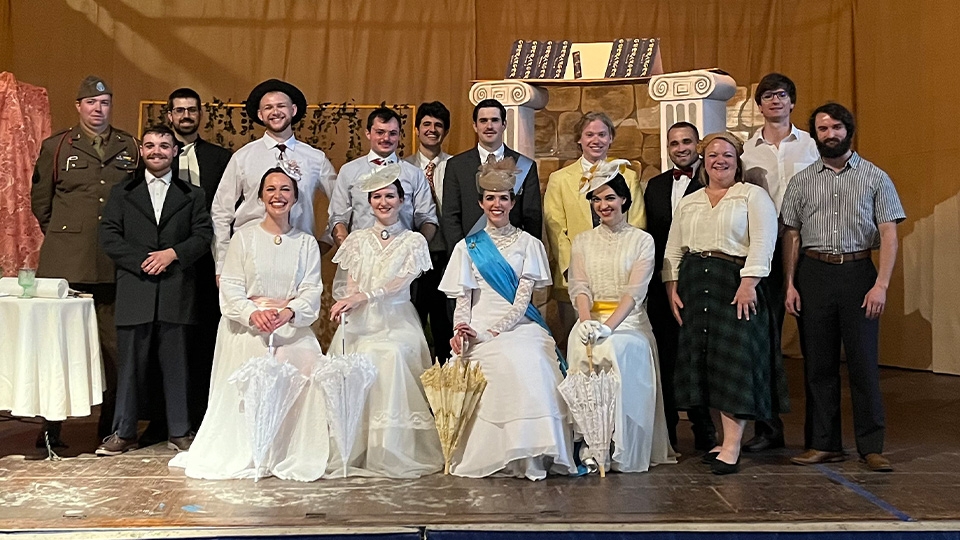
Labour’s Not Lost: A Short Guide to Starting a Theater Troupe

I remember the evening. Three of us on our deck (including my roommate), pizza, beer––a dangerous amount of beer––just enough to believe fervently in the implausible and to begin executing it. What should we do? One of my friends yelled, ” A Midsummer Night’s Dream!” And since we were three quarters of the way to December, we all heartily concurred. We began the casting process on a pizza box, drawing up the list of characters paired with hapless friends who would be informed, when we felt like it, that their wit, flamboyance, elegance, shrewishness, or curves, had been duly noticed by the community.

Read More »

The Folly of Abandoning the Catholic Church as Satan’s Attacks on It Mount

“Behold, very cunning enemies have filled the Church, Spouse of the Immaculate Lamb, with bitterness; have watered it with absinthe; they have cast ungodly hands onto all that is desirable in it. Where the See of the blessed Peter and the Chair of Truth were established like a light for the nations, there they have set the throne of abomination of their impiety; in order that once the shepherd is struck down, they may be able to disperse the flock.” (Pope Leo XIII’s “small exorcism” prayer, as quoted in Archbishop Marcel Lefebvre’s They Have Uncrowned Him, pp. 151-152)

Read More »

The Virgin Before, During & After Birth (a response to the Linz scandal)

Among all the treasures that God offers us through the Holy Church, the first and the most valuable, upon which all others depend, is supernatural faith (with all the teachings about God and His works). Crystallized in the Credo we recite both in personal prayers and at every Holy Mass, this faith represents the foundation of Christian religious life. Although relatively short, the small “poem” of the Credo is rich in content. Specifically, we are taught everything we need to know about God and the manifestations of His wonderful omnipotence.

Read More »

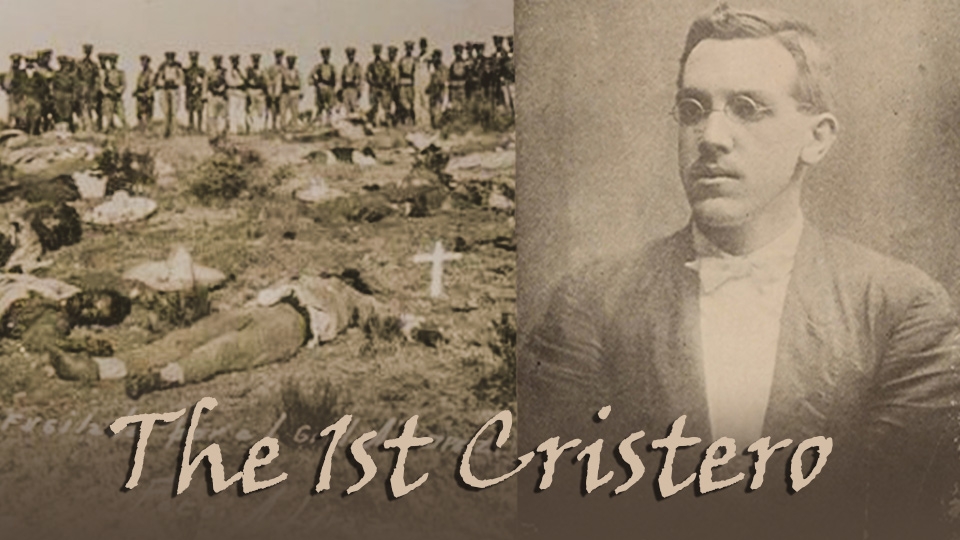
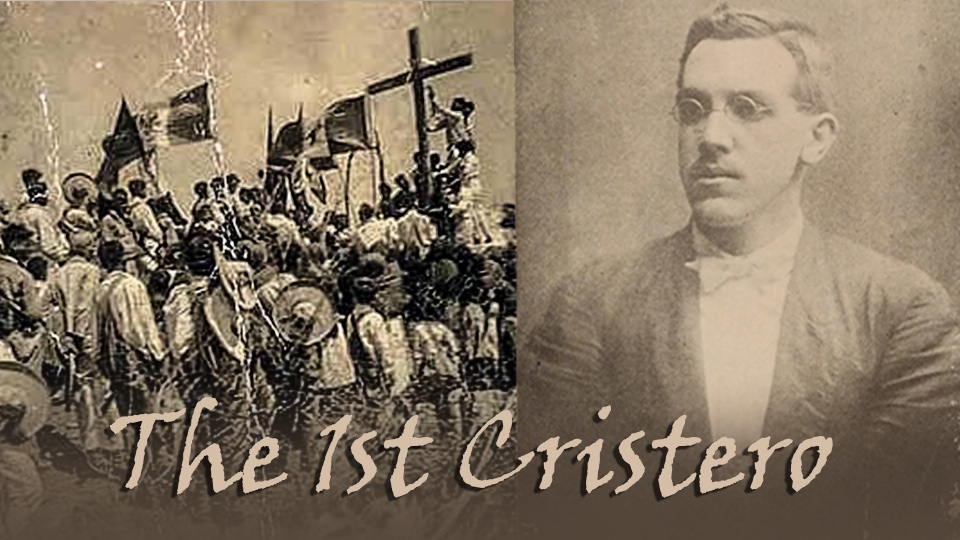
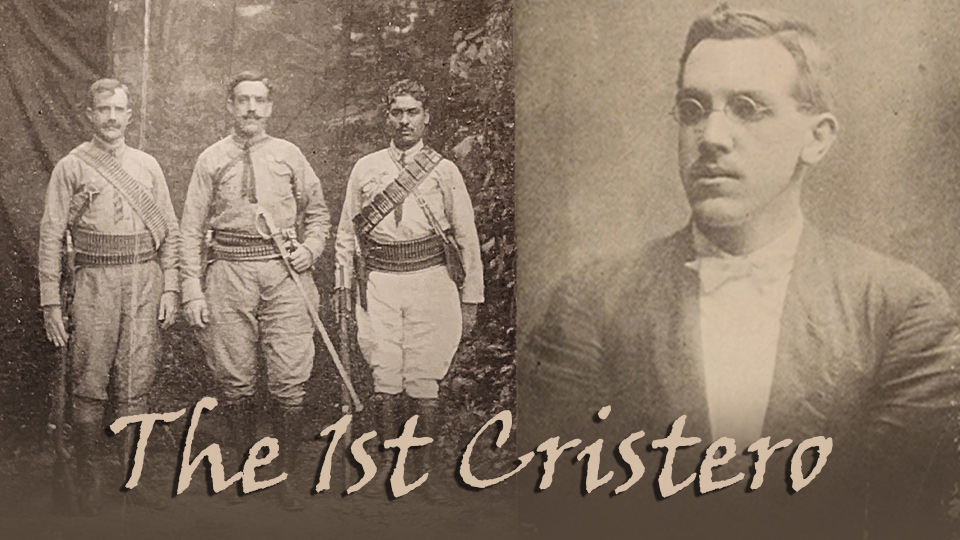
LUIS NAVARRO ORIGEL: The First Cristero

Paying a debt is justice; giving more than one owes is generosity or gratitude; giving everything without expectations is love. Luis Navarro Origel gave everything, without expectations, because he loved God above all things. – Martin Chowell

Read More »

The Legend of Bagging Vance

Vance joined the Marine Corps out of high school before going on to university and then writing candidly in his bestselling book Hillbilly Elegy – a classic reading of the impoverished, white working class in the hollowed-out Rust Belt in Middletown, Ohio. The book was made into a successful 2020 film directed by Ron Howard that starred Glenn Close that would launch Vance to cultural and political distinction.

Read More »

Synodal Primacy — Can It Replace Petrine Primacy?

171 “Although the first millennium is decisive [apostle Matthew quoting Jesus: ‘Thou art Peter and on this rock I will build my Church… I will give you the keys…’ Mt 16:15-20?] many dialogues recognize that it should not be idealized nor simply re-created, since the developments of the second millennium [the Protestant Reformation?] cannot be ignored and also because a primacy at the universal level should respond to contemporary challenges [ecumenical dialogue?]. Some principles for the exercise of primacy in the 21st century have been identified. A first general agreement is the mutual interdependency of primacy and synodality at each level of the Church, and the consequent requirement for a synodal exercise of primacy.”

Read More »

The Man Who Lost His Shadow: the Human Body before and after Original Sin

Over the past thirty years, the texts of several authors have always found a place on my desk. I read and reread them constantly, without tiring, striving to understand everything that those who left them to us as a legacy have conveyed most precious. Among these authors, Saint Hildegard of Bingen (c.1098–1179) holds one of the most important places. The depth of her visions, the subtlety of her remarks, the beauty of her prose and poems, along with the surprising interpretations she offers, sometimes compel me to re-read the same fragment dozens of times. For example, I have been meditating for many years on the answer given by the Benedictine abbess to the eighth question in the small volume Solutions to Thirty-Eight Questions: [i]

Read More »

Of Japan’s “business bachelors” and missing fathers

Indeed, in a mostly pagan Japanese society, many men view their jobs as their ikigai, or the thing that makes their lives worth living. Consequently, many Japanese men (unfortunately) have a self-effacing dedication to their jobs, at the expense of their health and family relationships. In fact, “wan-ope ikuji,” a shortened version of the English “one-person child care operation”, is a Japanese term to characterize the situation in which only one parent (usually the mother) takes charge of all aspects of child-rearing.

Read More »

Mysteries of the Bible: the Witch from Endor

Throughout the entire history of humanity, the “other world” has always been the most controversial and, at the same time, appreciated subject. Regardless of which era we study, we find that both the history of religions and folklore and popular culture convey countless stories about the path of souls into eternity. Sometimes, as in chapter XI of Homer’s Odyssey or in Plutarch’s De sera numinis vindicta ( On the Delays of the Divine Vengeance ), we encounter what is known as “necromancy”—i.e., the invocation/summoning of the souls of those who have passed into the otherworld. Other times, as in another equally famous text, namely in book VI of Virgil’s Aeneid, we find a description of a journey into the world of the dead. And at the heart of Christian-inspired culture, we also have an epic poem— Divina Commedia —which, from start to finish, narrates the journey of the author, Dante Alighieri, through all the hierarchical regions of the unseen world.

Read More »

J.D. Vance’s conservative Catholic values and youth are a potent political mix

“The celebration was a Solemn High Mass in honor of St Cecilia, Patron Saint of musicians, and Palestrina’s Missa Brevis was sung; also noteworthy is the fact that the vestments were made by the celebrant himself. The choir stalls in the sanctuary were filled with priests, religious, and seminarians attending in choir. Most significantly, the church itself was filled to overflowing with young people! In fact, two extra ciboria had to be put out to accommodate the large number of attendees.”

Read More »